Rock Climbing Instructor Training Course – 3 days
Take the Next Step Towards Becoming a Rock Climbing Instructor
In conjunction with Pete Goldsmith Mountaineering, RCI provider.
Are you an experienced indoor and outdoor climber who would like to start instructing others?
Our Rock Climbing Instructor training course, commonly known as RCI training, is the first formal course within the Mountain Training Rock Climbing Instructor qualification. It is designed to develop the technical, teaching and group-management skills required to supervise climbing sessions at single-pitch crags and artificial climbing walls.
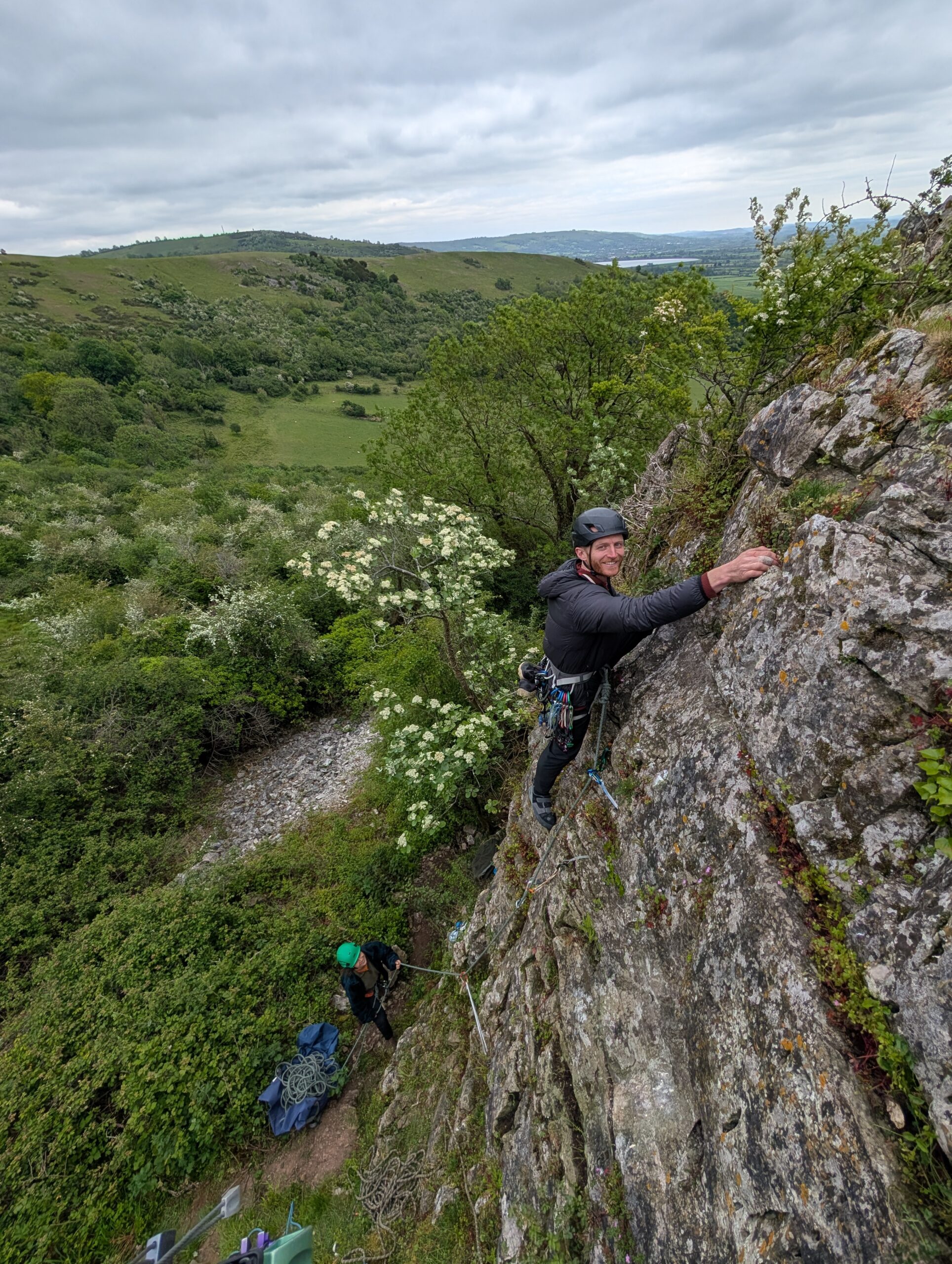
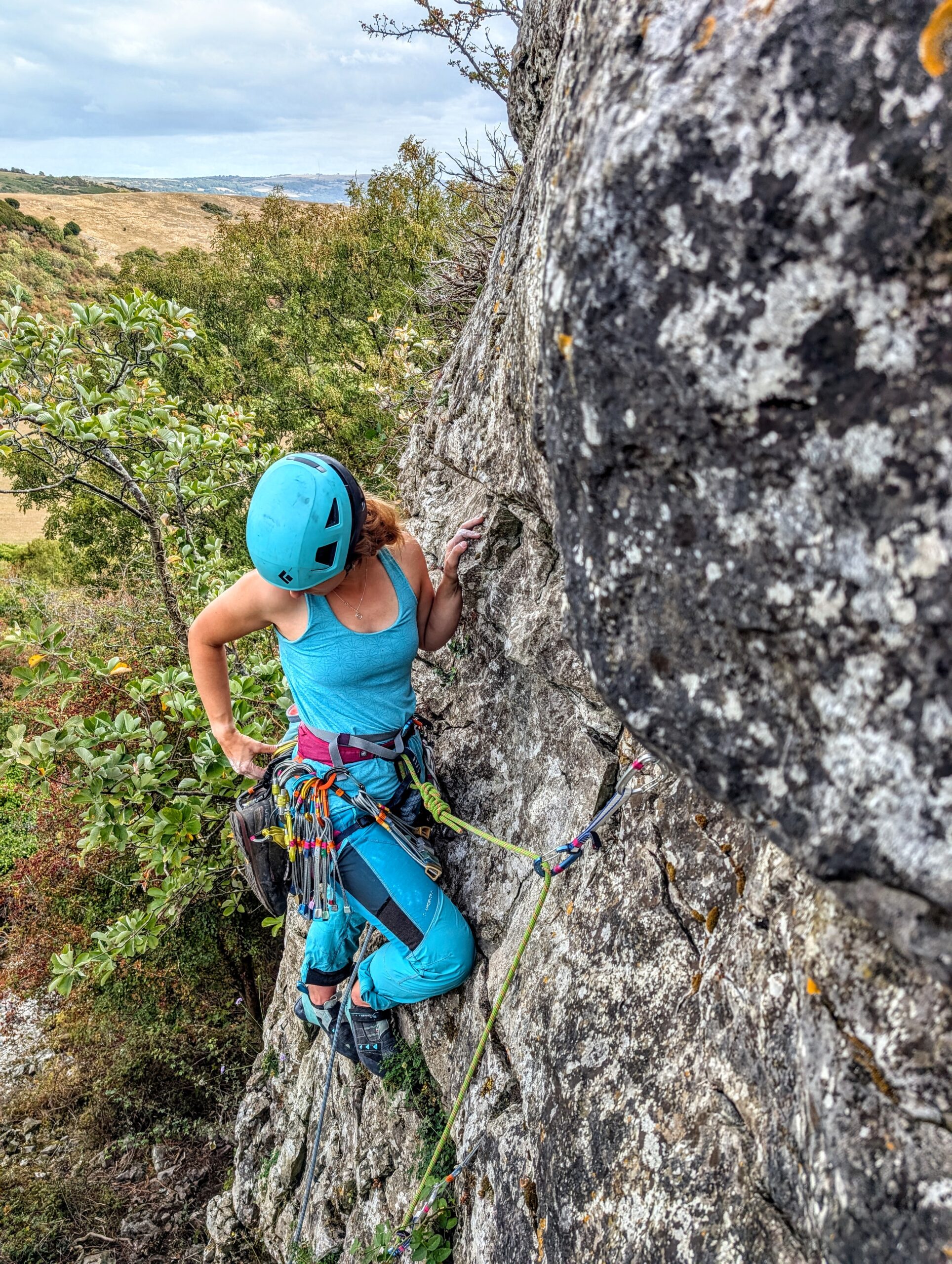
Over three practical and intensive days, you will explore the complete Rock Climbing Instructor syllabus. The course combines indoor climbing-wall sessions with outdoor training on real rock, giving you plenty of opportunities to practise systems, manage other climbers and receive constructive feedback.
This is not simply a rope-skills course. It is professional training for people who want to become safe, competent and effective climbing instructors.
By the end of the course, you will have a clear understanding of the required standard, what to expect at RCI assessment and which areas you should develop during your consolidation period.
Who Is the RCI Training Course For?
This course is suitable for experienced climbers who:
- Want to work as a Rock Climbing Instructor.
- Would like to supervise groups at single-pitch crags.
- Want to instruct climbing at indoor walls and outdoor climbing towers.
- Work or volunteer at outdoor centres, schools, climbing clubs or youth organisations.
- Want to develop their group-management and instructional skills.
- Are progressing through the Mountain Training climbing qualification pathway.
- Already have experience of trad climbing, sport climbing and indoor lead climbing.
You should arrive as an experienced and confident climber rather than someone who is still learning the fundamentals of lead climbing.
The training course will introduce and develop the skills required by the syllabus, but it cannot replace the personal climbing experience expected of an RCI candidate.
RCI Training Course Entry Requirements
Before booking your Rock Climbing Instructor training course, you must:
- Be at least 18 years old.
- Be registered for the Rock Climbing Instructor qualification with Mountain Training.
- Be an experienced indoor and outdoor rock climber.
- Have a genuine interest in climbing and supervising groups.
- Be a member of the British Mountaineering Council, Mountaineering Scotland or Mountaineering Ireland.
- Have led at least 15 graded outdoor rock climbs using traditional protection.
- Have led at least 15 routes at an indoor climbing wall.
- Have led at least five outdoor bolt-protected sport climbs.
Your climbing experience should ideally be recorded in your Mountain Training digital logbook before the course.
Please check that you meet the current Mountain Training requirements before booking. Contact us when you are unsure whether your experience is sufficient.
What Does the Rock Climbing Instructor Qualification Cover?
A qualified Rock Climbing Instructor can supervise and instruct climbing activities at appropriate:
- Single-pitch traditional climbing crags.
- Single-pitch sport climbing crags.
- Indoor climbing walls.
- Outdoor climbing walls and towers.
- Indoor and outdoor bouldering venues.
The qualification is designed for venues with straightforward approaches and retreats, where climbers can normally be lowered back to the ground.
The Rock Climbing Instructor qualification does not cover:
- Multi-pitch rock climbing.
- General mountaineering.
- Teaching lead climbing.
- Tidal sea cliffs.
- Venues where retreat is difficult or complex.
- High ropes or low ropes courses.
Completing the training course does not make you a qualified Rock Climbing Instructor. After training, you must complete an appropriate period of consolidation and successfully pass the separate RCI assessment.
What Is Included in the RCI Training Course?
The course follows the Mountain Training Rock Climbing Instructor syllabus and covers four main areas.
Technical Climbing Competence
You will develop and practise the technical systems required to manage climbing sessions safely and efficiently.
Topics may include:
- Selection, fitting and checking of climbing equipment.
- Appropriate use of ropes, harnesses, helmets and connectors.
- Personal climbing ability and movement skills.
- Traditional and fixed climbing equipment.
- Selecting and constructing suitable anchors.
- Equalising anchors and managing loading.
- Bottom-rope and top-rope systems.
- Belaying and lowering climbers.
- Managing ropes at the top and bottom of a crag.
- Protecting yourself while working near an edge.
- Abseil set-ups and group abseiling.
- Back-up systems and safety considerations.
- Common problems and appropriate emergency procedures.
- Equipment inspection, care and retirement.
The emphasis is not only on creating safe systems, but on choosing methods that are simple, efficient and suitable for the group, venue and situation.
Group Management and Decision Making
An effective instructor must be able to manage people as well as ropes.
During the course, you will explore:
- Planning appropriate climbing sessions.
- Selecting suitable venues and routes.
- Identifying hazards and managing risk.
- Organising groups at busy climbing venues.
- Positioning yourself effectively.
- Supervising belayers and climbers.
- Managing novice and experienced participants.
- Working with assistants and other members of staff.
- Adapting sessions when conditions or circumstances change.
- Responding to incidents and emergencies.
- Maintaining clear oversight of the whole group.
You will be encouraged to explain your decisions and consider how different options affect safety, efficiency and the participant experience.
Teaching and Learning Skills
The Rock Climbing Instructor qualification is an instructional award. Being able to perform a technique yourself is not enough; you must also be able to teach it clearly.
We will look at:
- Structuring an effective climbing session.
- Introducing equipment and techniques.
- Giving clear demonstrations.
- Breaking skills into manageable stages.
- Checking participant understanding.
- Providing useful feedback.
- Adapting your teaching to different people.
- Developing confidence without creating unnecessary dependence.
- Encouraging safe decision making.
- Reviewing sessions and identifying future learning.
You will have opportunities to practise teaching and receive supportive feedback from both course staff and other candidates.
The Climbing Environment
Rock Climbing Instructors have a responsibility to protect climbing venues and represent the climbing community positively.
The course will consider:
- Access agreements and restrictions.
- Seasonal climbing restrictions.
- Conservation and environmental responsibilities.
- Crag etiquette.
- Relationships with landowners and other users.
- Managing groups at popular venues.
- Toilet arrangements and waste management.
- Noise and disturbance.
- Appropriate use of fixed equipment.
- Ethical considerations within climbing.
- Sources of current access information.
Why Complete Your RCI Training With NG Mountaineering?
Our aim is to help you become a thoughtful and adaptable instructor rather than simply teaching you a collection of standard rope systems.
Throughout the course, we will explain why techniques work, where their limitations lie and how to select an appropriate method for the situation in front of you.
You can expect:
- Practical, hands-on training.
- A supportive learning environment.
- Clear demonstrations and explanations.
- Individual feedback throughout the course.
- Realistic group-management scenarios.
- Opportunities to practise teaching.
- Discussion of different systems and approaches.
- Guidance on your consolidation period.
- Honest feedback about your readiness and development needs.
- Advice on preparing for your RCI assessment.
The maximum staffing ratio is one instructor to four candidates, allowing plenty of time for individual coaching, observation and feedback.
RCI Training in the Mendip Hills
Our RCI training courses in the Mendip Hills use a combination of established climbing venues and indoor climbing walls in Bristol and the South West.
The area provides an excellent range of single-pitch climbing venues, allowing candidates to experience different rock types, anchor arrangements, access considerations and group-management challenges.
The precise venues will be chosen according to weather, access, group needs and current climbing conditions. Joining information, meeting locations and a full equipment list will be sent before the course.
What Should I Bring?
You should bring your normal personal climbing equipment, including:
- Climbing helmet.
- Climbing harness.
- Rock shoes.
- Belay device.
- Screwgate karabiners.
- Nut key.
- Personal trad climbing rack where available.
- Appropriate outdoor clothing.
- Waterproof jacket and trousers.
- Food and drink for each day.
- Notebook or suitable method for recording information.
- Mountain Training candidate handbook and skills checklist.
A detailed kit list will be included in your joining instructions.
Please do not buy specialist equipment specifically for the course without speaking to us first. Course staff will demonstrate a variety of equipment and systems, and some group equipment may be provided.
What Happens After RCI Training?
Following the course, you will receive feedback identifying your strengths and the areas requiring further development.
You should then complete a meaningful consolidation period before assessment. This normally includes:
- Increasing your personal trad-climbing experience.
- Climbing at a variety of venues.
- Developing your indoor and outdoor sport-climbing experience.
- Assisting with instructed climbing sessions.
- Practising group-management systems.
- Teaching climbing skills under appropriate supervision.
- Revisiting technical skills from the syllabus.
- Recording experience and reflective comments in your digital logbook.
Do not rush directly from training to assessment. The best candidates use their course feedback to guide a focused period of practical experience.
If you would like to book this course for a small group please do get in contact.
| COURSE DATE | DAYS | LOCATION | COST | BOOKING |
| TBC | 3 | Mendip Hills | £265 | Book Now |
| TBC | 3 | Mendip Hills | £265 | Book Now |
| TBC | 3 | Mendip Hills | £265 | Book Now |
Can’t see the dates you want or have a group for a bespoke date? – contact us
Sign up for our newsletter to receive new course dates:
9.00 AM: Meet
9.00 AM – 4.00 PM: Top Rope Solo
4.00 PM – 4.30 PM: Debrief
4.30 PM: Depart