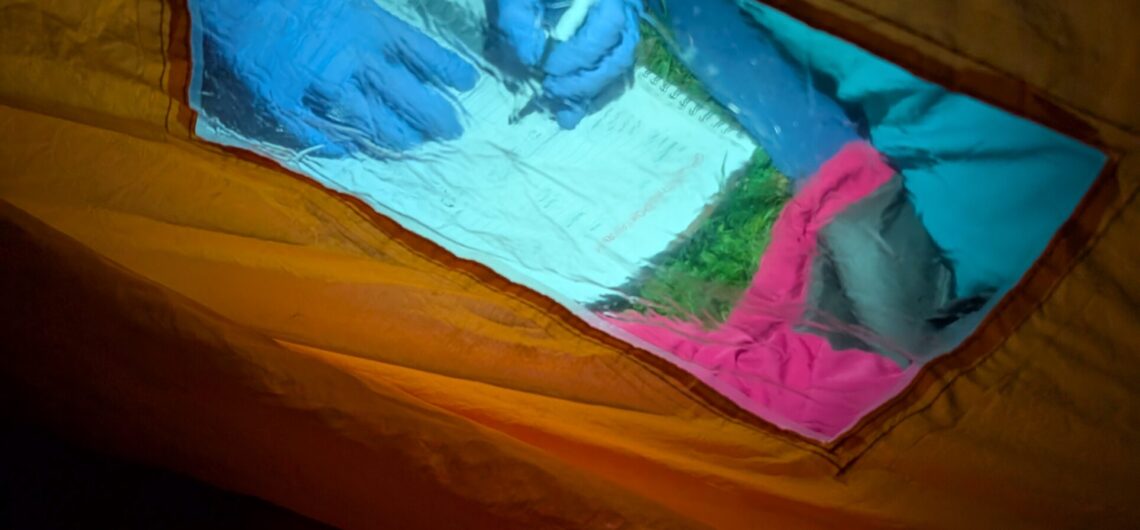
Imagine you're halfway up a mountain, miles from the nearest road, when someone in your group slips and suffers a serious injury. You've assessed the casualty, provided first aid and called Mountain Rescue. Now you face another challenge: keeping track of their condition while waiting for help to arrive. What time did the accident happen? Has their breathing changed? What treatment have you given? What medication do they take? What information will the rescue team need when they arrive? In the stress of an emergency, remembering every detail isn't easy. This is where a Casualty Report Form becomes one of the most valuable pieces of equipment in your first aid kit. It's a simple bit of paperwork that can make a significant difference to how effectively you manage an incident, monitor your casualty and communicate with the emergency services. Why Is a Casualty Report Form So Important? 1. It helps you stay organised under pressure Even experienced first aiders can find a serious incident stressful. Add cold weather, difficult terrain, a distressed casualty or an anxious group, and it's easy to become overwhelmed. A well-designed casualty report form provides a structured approach, prompting you to work through your assessment systematically and helping ensure important information isn't overlooked. It's particularly valuable for outdoor first aiders who may not regularly deal with serious medical emergencies. Rather than trying to remember everything, you have a clear framework to follow. 2. It helps you recognise when a casualty's condition is changing One of the biggest challenges in outdoor first aid is that help may be some distance away. Unlike in an urban environment, where an ambulance might arrive relatively quickly, a mountain rescue incident could involve an extended wait, particularly in difficult terrain or poor weather. During that time, a casualty's condition can improve
Imagine you’re halfway up a mountain, miles from the nearest road, when someone in your group slips and suffers a serious injury. You’ve assessed the casualty, provided first aid and called Mountain Rescue. Now you face another challenge: keeping track of their condition while waiting for help to arrive. What time did the accident happen?